Queer Identity Ace: A Gentle Guide to Asexuality, Queerness, and Self-Discovery
If you searched for queer identity ace, you may be trying to connect several pieces at once: what ace means, whether asexuality belongs under the LGBTQ+ umbrella, and how a label can help without boxing you in. The short version is that ace usually refers to asexuality or the ace spectrum, and many ace people do consider themselves queer. Others do not, because identity language is personal. If you are also questioning attraction to women, romantic feelings, or where you fit in queer community, a private sexuality self-reflection space can help you slow the question down without handing your identity to anyone else.
What Does Ace Mean in LGBTQ+ Language?
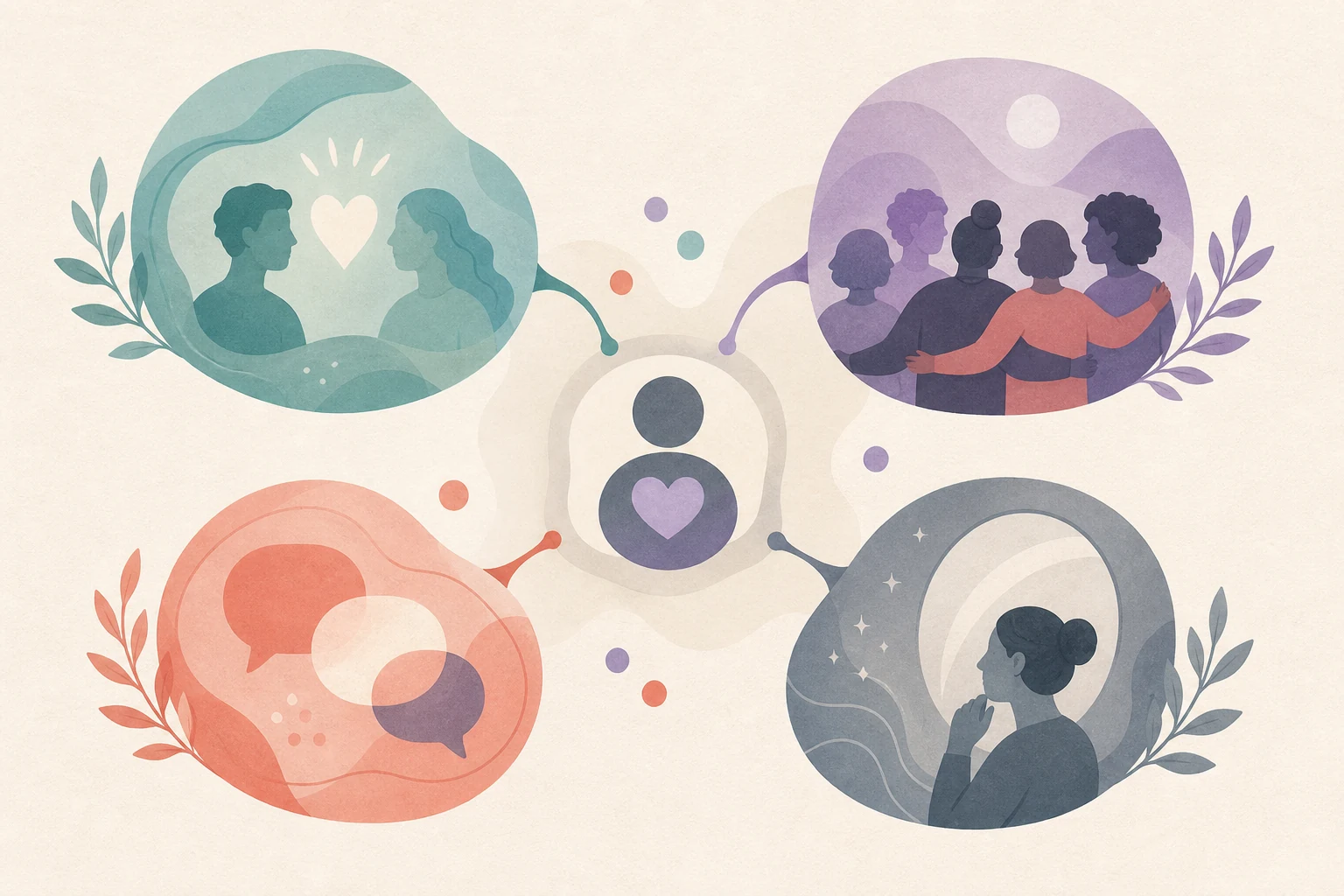
Ace is a common shorthand for asexual. Asexuality describes a pattern of experiencing little to no sexual attraction, or experiencing sexual attraction in a way that feels rare, conditional, or different from the cultural norm. It does not automatically tell you whether someone dates, falls in love, enjoys touch, wants commitment, has a libido, or feels romantic attraction.
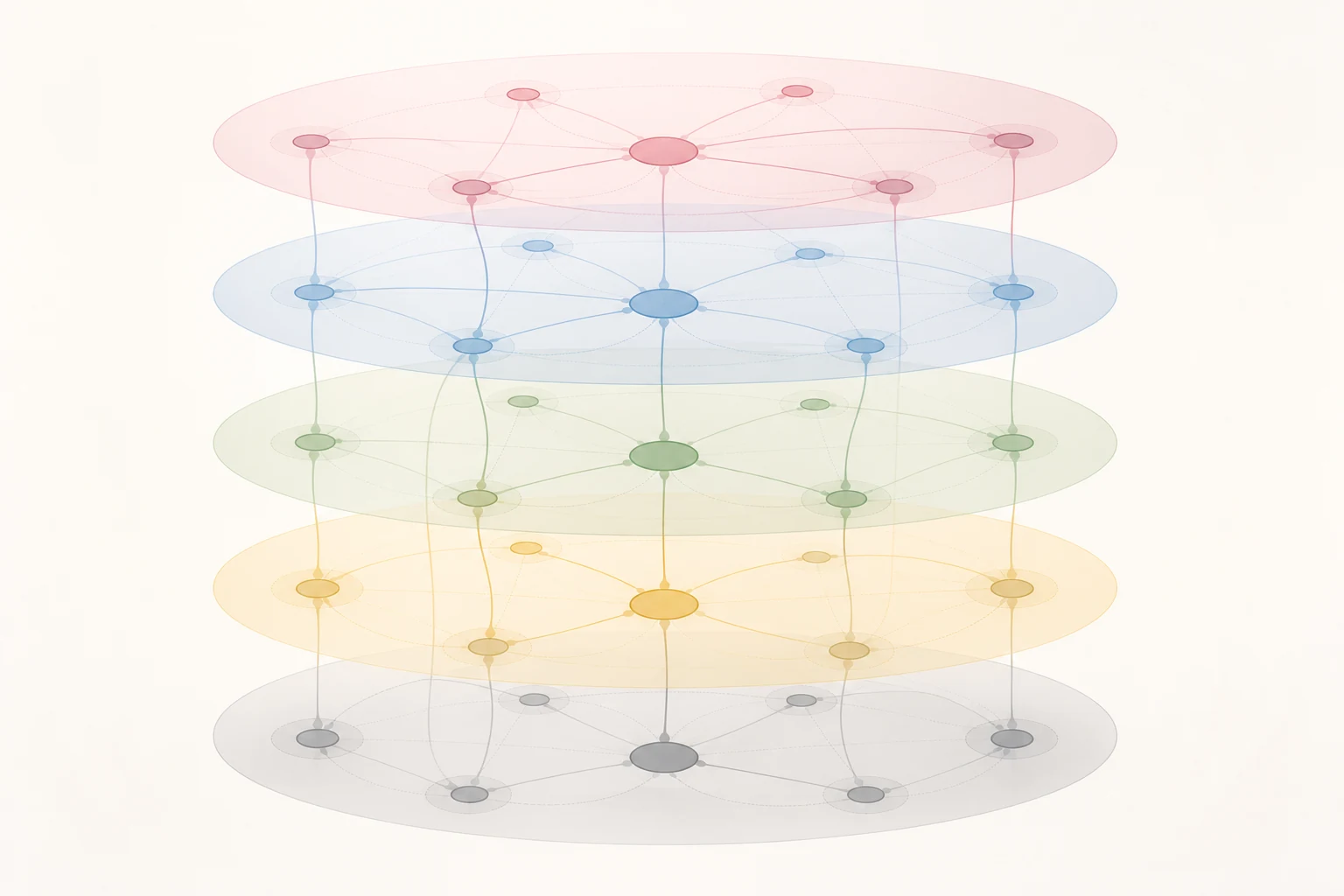
That distinction matters. Sexual attraction is about who, if anyone, you feel sexually drawn toward. Romantic attraction is about who, if anyone, you may want emotional intimacy or romance with. Behavior is what you choose to do. Libido is a body-based drive. These layers can overlap, but they are not the same thing.
Ace-spec, or ace-spectrum, is a broader umbrella. It can include people who identify as asexual, graysexual, demisexual, aceflux, aegosexual, and other microlabels. You do not need to memorize every term to be "valid." A queer terms dictionary can be useful, but only if the words help you name lived experience instead of making you feel like you are studying for a test.
Is Ace Considered Queer?
Ace can be queer, and many people understand ace identity as part of LGBTQIA+ life. The "A" in LGBTQIA+ is commonly used for asexual, aromantic, and agender identities. The reason is not that every ace person has the same experience as lesbian, gay, bi, trans, or queer people. It is that ace people often move through a world that assumes sexual attraction is universal, required, and easy to explain.
Queer is an umbrella word for identities and experiences outside cisgender, heterosexual, allosexual norms. Allosexual means someone experiences sexual attraction. From that view, ace identity can be queer because it challenges the assumption that everyone naturally wants sex in the same way, at the same pace, or as a central proof of adulthood and intimacy.
Still, no one has to claim queer if it does not feel right. Some ace people use queer because it gives them community. Some prefer ace, asexual, aroace, questioning, sapphic ace, biromantic ace, lesbian ace, or no label at all. The most respectful answer to "Is ace considered queer?" is: yes, it can be, and the person gets the final say.

Asexual Meaning, Ace Spectrum, and Related Identities
The asexual meaning in LGBT and LGBTQ+ discussions is often simpler than search results make it seem: asexual people generally experience little or no sexual attraction. The spectrum language exists because people's experiences are nuanced.
Here are a few terms you may see:
- Asexual: little to no sexual attraction.
- Graysexual or gray-ace: sexual attraction is rare, faint, or situational.
- Demisexual: sexual attraction may happen after a strong emotional bond.
- Aroace: a person who identifies as both aromantic and asexual.
- Allosexual: a person who does experience sexual attraction.
- Sex-favorable, sex-neutral, or sex-averse: words that describe someone's relationship to sexual activity, not whether they feel sexual attraction.
These labels are descriptive, not a ranking system. Someone can be ace and love kissing. Someone can be ace and not want kissing. Someone can be ace and want a relationship, marriage, chosen family, queerplatonic partnership, or none of those. Someone can be ace and also be lesbian, bi, pan, sapphic, trans, nonbinary, genderqueer, or questioning.
If your search included "asexual ace" or "what is ace," the key is to separate attraction from action. An ace person might have sex for closeness, curiosity, reproduction, sensory pleasure, relationship negotiation, or not at all. None of those choices automatically removes the ace label if the person still understands their attraction pattern as ace.
Queer vs Gay vs Ace: How the Words Differ
Queer, gay, and ace are related, but they do different jobs.
Gay usually refers to people attracted to the same gender, especially men attracted to men, though some women and nonbinary people also use it. Lesbian refers to women or some nonbinary people who are attracted to women. Sapphic is a broader word for women-centered attraction, often including lesbian, bi, pan, queer, and questioning women.
Queer is broader. It can describe sexuality, gender, politics, community, or a deliberate refusal to make identity too tidy. Some people love its openness. Others avoid it because it has a painful history or simply does not fit them.
Ace describes a relationship to sexual attraction. It does not, by itself, tell you the gender of anyone you might love, date, or feel romantically drawn toward. That is why combinations are common: homoromantic ace, biromantic ace, panromantic ace, lesbian ace, sapphic ace, aromantic ace, and more.
If you are using a women-centered orientation resource like a gentle lesbian self-discovery test, ace language can still matter. You might be trying to understand whether your feelings toward women are romantic, sexual, aesthetic, emotional, protective, admiring, or some mix. Ace identity does not cancel the possibility of being lesbian or sapphic; it may help you describe which kind of attraction is present and which kind is absent or quieter.
A Reflection Checklist for Questioning Ace Identity
You do not need a perfect answer before you are allowed to reflect. A lower-pressure way to explore queer identity ace questions is to notice patterns over time.
Try asking yourself:
- When people talk about sexual attraction, do I relate, partly relate, or feel like they are describing something unfamiliar?
- Do I feel romantic attraction separately from sexual attraction?
- Have I mistaken admiration, safety, aesthetic attraction, or emotional closeness for sexual attraction because I thought I was supposed to?
- Does attraction appear only after trust, emotional connection, or time?
- Do I want touch, kissing, cuddling, dating, or partnership in ways that do not map neatly onto sexual desire?
- Do certain labels feel relieving, restrictive, exciting, or neutral?
- Would I use the same words for myself privately that I use when explaining myself to other people?
It can help to write three columns: "what I feel," "what I do not feel," and "what I am unsure about." This keeps exploration grounded in lived experience instead of forcing one label to answer every question.
Common Myths About Ace People
Myths about asexuality can make questioning harder than it needs to be. The most common one is that ace people are simply afraid, inexperienced, immature, or waiting for the "right person." That story ignores the fact that many ace people know themselves through years of reflection, relationships, community, and comparison with allosexual norms.
Another myth is that ace means aromantic. Some ace people are aromantic, but many are not. A person can be deeply romantic and still not experience sexual attraction. A person can also be aromantic and still value closeness, care, partnership, family, or community.
A third myth is that all ace people dislike sex or kissing. In reality, attitudes toward touch and sexual activity vary. Some ace people like kissing because it feels affectionate, romantic, playful, or grounding. Some do not like it. Some like it only with certain people or under certain circumstances. The useful question is not "What do ace people do?" but "What feels wanted, mutual, and honest for this person?"
The final myth is that choosing a label means the label can never change. Identity words can be stable, but they can also evolve as you learn more about yourself. Changing language later does not mean the earlier word was fake. It may have been the best available map at the time.
LGBTQ+ Full Form and Where Ace Fits
Many people search for LGBTQ full form and meaning because the acronym keeps expanding. A basic version is lesbian, gay, bisexual, transgender, queer or questioning, and more. LGBTQIA+ often adds intersex, asexual, aromantic, agender, and other identities. Longer forms, such as LGBTQQIP2SAA, may include lesbian, gay, bisexual, transgender, queer, questioning, intersex, pansexual, two-spirit, asexual, and allies, though exact expansions vary by community.
The plus sign matters because no acronym can hold every identity perfectly. Queer communities include sexual orientations, romantic orientations, gender identities, sex traits, cultural identities, and relationship languages. Ace identity belongs in that conversation when ace people want it there, especially because asexuality challenges the assumption that sexual attraction is universal.
A list of queer identities can be useful as an entry point, but it should not become a rulebook. The purpose of language is recognition: "Oh, that sounds like me," or "That is close, but not quite," or "I need more time."
Exploring Ace Identity at Your Own Pace
The safest closing answer to queer identity ace is not a command; it is permission to be specific with yourself. You might be ace. You might be graysexual, demisexual, aroace, lesbian ace, sapphic ace, queer, questioning, or simply uninterested in labels right now. You are allowed to observe before you announce, and you are allowed to use private language before public language.
If your questions overlap with attraction to women, comphet, or uncertainty about lesbian identity, an optional supportive identity exploration tool can give you prompts for reflection. Treat any result as a starting point for journaling, conversation, or further learning, not as an authority over you.
You may also want support from trusted friends, queer community spaces, or an affirming counselor if the process feels heavy. The goal is not to rush toward the most impressive acronym. The goal is to find words that make your inner life feel a little less scrambled and a little more yours.

FAQ
Is ace considered queer?
Ace is often considered queer because asexuality sits outside the assumption that everyone experiences sexual attraction in a typical allosexual way. Many ace people claim queer community, but not every ace person uses the word queer for themselves.
What is an ace identity?
An ace identity usually means someone identifies somewhere on the asexual spectrum. They may experience little, no, rare, or conditional sexual attraction. Their romantic feelings, relationships, libido, and comfort with touch can vary.
Does aroace count as queer?
Aroace can count as queer when the person uses it that way. Aroace means aromantic and asexual, so it can describe someone who experiences little to no romantic attraction and little to no sexual attraction.
Can asexuals like kissing?
Yes. Some asexual people like kissing, some do not, and some like it only in specific contexts. Kissing can feel romantic, affectionate, sensory, playful, or unwanted depending on the person.
What is the difference between queer and gay?
Gay usually describes same-gender attraction. Queer is broader and can include many sexual orientations, romantic orientations, and gender identities. Some people use both words, while others prefer one.
What does LGBTQIA+ stand for?
LGBTQIA+ commonly stands for lesbian, gay, bisexual, transgender, queer or questioning, intersex, asexual, aromantic, agender, and more. The plus sign leaves room for identities not named in the shorter acronym.
Can I be ace and lesbian?
Yes. Some people are lesbian ace or sapphic ace. That can mean they experience romantic, emotional, aesthetic, or other forms of attraction toward women while experiencing little, no, or conditional sexual attraction.