Types of Lesbian: A Guide to Labels, Aesthetics & Styles
Exploring the types of lesbian labels, aesthetics, and styles can feel both exciting and overwhelming. You might hear terms like “butch,” “femme,” or “stem” and wonder how these types of lesbian expression relate to you. This guide is designed to be a supportive starting point: we’ll cover common labels, highlight popular aesthetics and style vibes, and offer practical prompts for self-reflection. It’s meant for education and self-understanding—not as a diagnosis or clinical guidance. If you’d like an optional, structured way to organize your thoughts, you can gently start by exploring our lesbian test online.
Why Do Labels Matter in the Lesbian Community
Before diving into a list of terms, it helps to understand why labels exist and how they function within LGBTQ+ communities. Labels are more than definitions; they can be tools for connection, visibility, and self-understanding. Understanding their purpose can help you approach different types of lesbian labels with curiosity rather than pressure.
Labels as Tools for Connection, Not Boxes
Think of labels less like rigid boxes and more like keys. For many, finding a word that resonates with their internal feelings is a powerful, validating experience. It can unlock a sense of belonging by connecting you to a shared history, culture, and community. A label can give you language to describe yourself to others and help you find people who share similar experiences. However, the most important rule is that you define the label; the label doesn’t define you.
Understanding the Fluidity of Identity
Your identity is a personal journey, not a fixed destination. It’s completely normal and valid for your self-perception, expression, or the labels you use to change over time. You might identify with one label today and another a few years from now, or you might find that different types of lesbian labels fit in different contexts. Therefore, feel empowered to explore without the pressure of finding a permanent answer.
How to Differentiate Labels from Stereotypes
This is a crucial distinction. A label is a term someone chooses for themselves to affirm their identity (internal). A stereotype, in contrast, is an oversimplified and often harmful assumption that others place upon a person or group (external). For example, a label like “butch” is a valid identity, while the stereotype that all butch lesbians are aggressive is a damaging generalization. This guide focuses on labels as tools for empowerment, while actively rejecting stereotypes.
What Are the Core Types of Lesbian Labels and Their Meanings?
The lexicon of lesbian identity is rich and continually evolving. While it’s impossible to list every variation, understanding some core types of lesbian labels provides a strong foundation. Below are several widely recognized terms and their general meanings.
Butch: Expressions of Masculinity
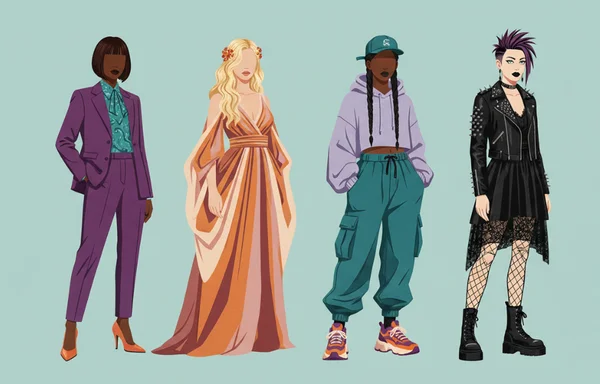
“Butch” is one of the most historically significant labels. It typically describes a lesbian who expresses herself in ways that are traditionally masculine, whether through clothing, hairstyle, mannerisms, or role within a relationship. The butch identity is diverse and can range from “stone butch” (often a more stoic, non-reciprocating partner) to “soft butch” (blending masculine traits with a softer emotional expression).
Femme & Lipstick: Embracing Femininity
A “femme” is a lesbian who expresses herself in traditionally feminine ways. This identity powerfully challenges the stereotype that all lesbians must look masculine. “Lipstick lesbian” is a more modern term, often used to describe a femme who is particularly glamorous, stylish, and enjoys makeup, dresses, and high heels. Both terms celebrate femininity within a queer context.
Stem & Chapstick: The In-Between Spectrum
Many people find their expression falls somewhere between butch and femme. “Stem” (a blend of “stud” and “femme”) is a term originating in communities of color to describe someone who embodies a mix of masculine and feminine traits. Similarly, “chapstick lesbian” often refers to a person with a more androgynous or subtly feminine style—less masculine than a butch but less glamorous than a lipstick lesbian.
Other Common Terms You Might Hear
- Stud: Similar to butch, this term originated in Black and Latine communities to describe a masculine-presenting lesbian.
- Dyke: Historically a slur, “dyke” has been reclaimed by many lesbians as a term of empowerment and radical pride. However, its use can still be sensitive, so it’s best used by those within the community.
- High Femme: Refers to a femme who presents in a highly stylized, intentional, and often glamorous form of femininity.
A Visual Guide to Types of Lesbian Aesthetics and Styles
Identity isn’t just about labels; it’s also about how we express ourselves visually and culturally. “Lesbian aesthetics” has become a popular way to describe the overall vibe, style, and interests associated with different subcultures. Exploring types of lesbian aesthetics can be a low-pressure way to notice what feels most like you.
From Cottagecore to Dark Academia: Exploring Modern Aesthetics
Beyond individual labels, entire aesthetics have become associated with queer culture. For example:
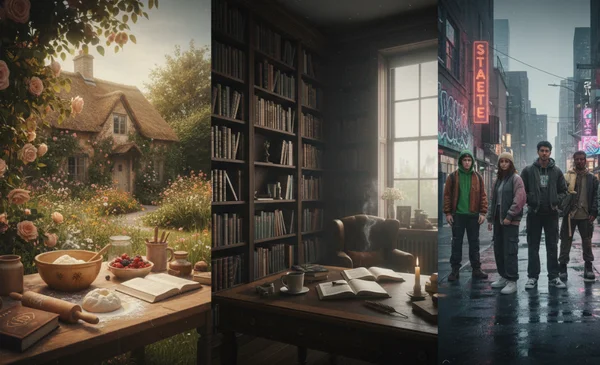
- Cottagecore: This aesthetic celebrates a simple, rural life, involving activities like baking, gardening, and crafting. It’s visually defined by flowy dresses, natural fabrics, and a connection to nature.
- Dark Academia: This vibe is inspired by classic literature, intellectualism, and a passion for learning. The fashion often includes tweed blazers, turtlenecks, and a muted color palette.
- Golden Retriever Lesbian: This isn’t a visual aesthetic but a personality type—describing someone who is cheerful, energetic, and endlessly supportive, much like the dog breed.
Visual Style Mood Boards for Key Expressions
To better understand these types of lesbian styles, imagine creating a mood board.
- For a Butch Mood Board: You might include images of tailored suits, worn-in leather jackets, sturdy boots, short and sharp haircuts, and confident, open body language. The color palette would be strong and earthy.
- For a Lipstick Lesbian Mood Board: This would feature bold red lipstick, perfectly manicured nails, elegant dresses, designer handbags, flowing hair, and scenes from a stylish brunch or art gallery.
- For a Cottagecore Mood Board: Picture sun-drenched fields, hands tending to a garden, freshly baked bread, vintage floral prints, knitted sweaters, and cozy, candlelit interiors.
How Fashion Can Be a Form of Self-Discovery
Your clothing and personal style are powerful tools. They are often the first way you communicate your identity to the world without saying a word. Experimenting with different types of lesbian aesthetics can be a fun, low-pressure way to explore what feels most authentic to you. It allows you to try on different facets of your personality and see what brings you joy and confidence.
How Can You Explore Which Types of Lesbian Labels Resonate With You?
Reading about the different types of lesbian labels and styles is a fantastic starting point. But the real journey happens when you turn that knowledge inward. The next step is about moving from “what does this mean?” to “what does this mean for me?” Remember: this is about personal reflection, not proving anything.

Why Self-Reflection Is the Key Next Step
External information gives you a map, but self-reflection is the compass that guides you. It’s the process of checking in with your own feelings, attractions, and desires. There is no right or wrong way to feel, and only you can decide which types of lesbian labels (if any) feel useful to you. Giving yourself time and space to think without judgment is an act of self-care and empowerment.
What Questions Can I Ask Myself to Begin Reflecting?
To start, you don’t need all the answers—you just need good questions. Here is a simple checklist:
- Which descriptions sparked a feeling of recognition or comfort?
- In what ways do I feel most authentic and confident in how I present myself?
- When I think about my ideal relationship, what dynamics feel most natural?
- Are societal expectations influencing my feelings, and how can I set them aside?
- What parts of my personality and style bring me joy, regardless of labels?
A Structured Option: The Self-Discovery Experience
Sometimes, organizing your thoughts can be hard—especially when you’re sorting through multiple types of lesbian terms, aesthetics, and relationship expectations. If you’d like a more structured, private way to navigate the questions above, you can try our lesbian test for self-reflection.
Please note: This tool is for personal reflection and education. It is not a clinical assessment or diagnosis.
What You’ll Gain: Clarity, Not a Definitive Answer
This experience isn’t designed to hand you a final label. Instead, it can help you connect patterns in your feelings, attractions, and expression, and reflect on which types of lesbian labels or styles feel most aligned with you—without pressure to “lock in” a permanent identity.
Conclusion: Embracing Your Types of Lesbian Identity, With or Without a Label
Ultimately, the goal of learning about the many types of lesbian identity is to find freedom, not a new set of rules. You have the right to identify with a label that feels like home, to mix and match them, or to use no label at all. Your identity is valid exactly as it is, and it can evolve over time.
If this topic brings up distress, persistent anxiety, or feelings of unsafety, consider reaching out to an LGBTQ+ affirming mental health professional or a trusted support resource in your area. And if you’d like to keep exploring at your own pace, you can learn more in our lesbian test guide.
Frequently Asked Questions About Types of Lesbian Identity
Is it necessary to choose a label to be a lesbian?
No. A label is a personal choice for self-identification and community connection, not a requirement. Many people identify simply as “lesbian” or “queer” without feeling the need for a more specific label. Your identity is valid with or without one.
Can my identity label or expression change over time?
Yes—absolutely. Identity can be fluid, and it’s normal for how you identify or express yourself to evolve as you grow and gain new experiences. Different types of lesbian labels may feel helpful at different times, or you may outgrow labels altogether.
What is the difference between gender expression and sexual orientation?
Sexual orientation describes who you are emotionally, romantically, or sexually attracted to (for example, being a lesbian). Gender expression is how you present yourself through style, mannerisms, and appearance (for example, masculine, feminine, or androgynous). These are related but not the same.
Are these labels used universally across different cultures?
Not always. Many terms—like “butch” and “femme”—originated in Western contexts and may not translate directly across cultures. People express identity in many ways worldwide, so it helps to stay mindful of cultural context and personal meaning.
How do relationship dynamics relate to labels like butch and femme?
Historically, labels like butch and femme were sometimes linked to assumed relationship roles. Today, queer relationships are far more diverse than those stereotypes suggest. A label does not dictate someone’s role in a partnership, and any combination of identities can form a healthy, loving relationship.
When should I consider talking to a professional or seeking extra support?
If questions about identity are causing ongoing distress, intense anxiety, depression, or affecting daily functioning, getting support can help. An LGBTQ+ affirming counselor or therapist can provide a safe space to process feelings—without pushing you toward any particular label or outcome.