Your Guide After a Lesbian Test: Embracing Your Newly Realized Lesbian Identity.
Welcome to the start of a beautiful journey. Taking a lesbian test can be a powerful first step, and what comes next is a mix of every emotion imaginable—relief, excitement, confusion, and maybe even a little bit of fear. Is it normal to question your sexuality? Absolutely. This guide is here to be a gentle, supportive friend, helping you navigate these new feelings and confidently embrace your self-discovery. You are not alone, and there is no single "right" way to feel or proceed from here. If you're ready to understand these feelings better, you can always explore your feelings with our confidential tool.
Processing Your Feelings as a Newly Realized Lesbian
That "aha!" moment is profound. It can feel like finding a missing piece of a puzzle you didn't even know you were solving. But this realization can also bring up complex emotions that need gentle handling. The first step isn't about announcing anything or changing your life overnight; it's about sitting with your own feelings and giving yourself grace. This is your personal journey, and you get to set the pace.
Feeling Overwhelmed After a Lesbian Test? Acknowledge Your Emotions
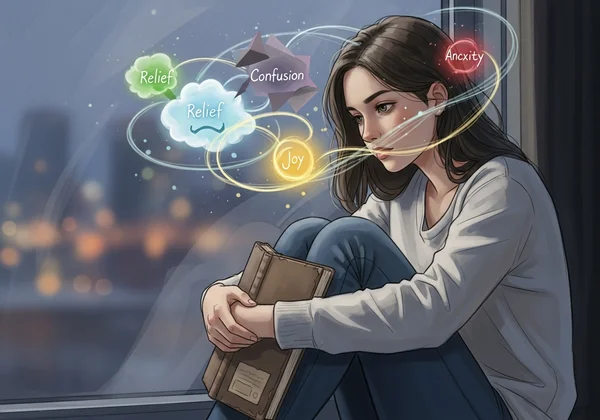
Did you feel a wave of relief, followed by a surge of anxiety? Did you feel pure joy, then a pang of sadness for the years you didn't know? All of this is completely valid. There is no script for self-discovery. Many women feel a sense of mourning for the life they thought they would have, even while celebrating the authentic one they are about to build. The key is to acknowledge these emotions without judgment. Let yourself feel happy, scared, confused, or peaceful. Journaling, talking to a trusted friend, or simply allowing yourself quiet time to reflect can be incredibly healing during this phase.
Understanding Compulsory Heterosexuality and Internalized Homophobia
For many women, realizing they are a lesbian also means unpacking years of societal conditioning. This is where a concept called "compulsory heterosexuality," or "comp-het," comes in. It's the societal assumption that everyone is straight, which can make it difficult to recognize same-sex attraction. It might explain why you dated men in the past or dismissed your intense feelings for female friends as just "girl crushes." Similarly, internalized homophobia—subconsciously believing negative stereotypes about being gay—can cause feelings of shame or doubt. Understanding these external pressures helps you realize that your confusion isn't a personal failing; it's a natural response to the world we live in.
Reflecting on Past Experiences with New Perspective
With this new understanding, you might find yourself looking back at your life through a different lens. That best friend you were inseparable from in high school? The female celebrity you were "obsessed" with? The discomfort you felt on dates with boys? These memories might suddenly make more sense. This reflection isn't about rewriting history but about integrating your past with your present self. It's a clarifying process that can validate your feelings and strengthen your sense of identity. Every moment led you to this point of self-awareness.

Finding Your Support System: Next Steps After the Lesbian Test
Self-reflection is vital, but you don't have to walk this path alone. Connection is a fundamental human need, and finding your community can transform a journey of uncertainty into one of celebration. Whether online or in person, building a support system is one of the most empowering actions you can take. If you're seeking more clarity before reaching out, a confidential quiz can offer further personal insight.
Connecting with Online & Offline LGBTQ+ Communities
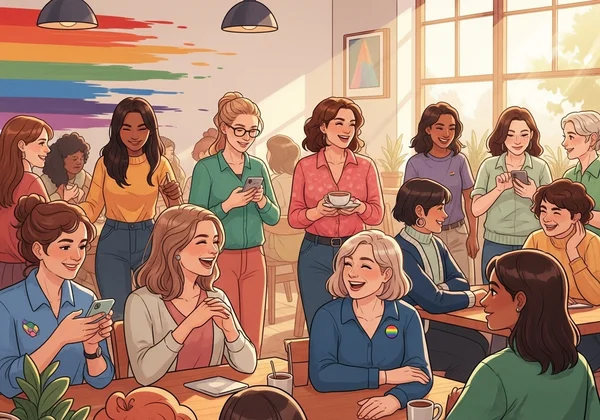
The internet is a powerful tool for finding your people. Subreddits like r/actuallesbians or r/latebloomerlesbians are filled with women sharing stories and advice. You can find creators on TikTok and Instagram who speak openly about their experiences, making you feel seen and understood. Offline, look for local LGBTQ+ centers, bookshops, or community groups in your area. Even attending a Pride event can be a joyful reminder that you are part of a vibrant, diverse, and welcoming community.
Seeking Trusted Friends, Mentors, or Therapists
While new communities are wonderful, existing relationships also matter. Consider confiding in a trusted, open-minded friend or family member. Sharing your journey with someone who already loves and supports you can be incredibly affirming. If you feel you need more structured support, seeking an LGBTQ+-affirming therapist can be life-changing. A therapist can provide a safe, non-judgmental space to explore your identity, process internalized homophobia, and develop coping strategies for any challenges that arise.
Navigating Initial Conversations About Your Identity
The idea of "coming out" can be daunting, and it's important to remember that you are in complete control of this process. You decide who you tell, when you tell them, and how you tell them. There is no deadline. Start with someone you know will be supportive. Practice what you want to say, but don't worry about getting it perfect. Simply saying, "I've been doing some self-reflection and I'm realizing I'm a lesbian," is a powerful and honest start. Your safety and well-being are the top priorities.
Embracing Lesbian Self-Acceptance, One Step at a Time
Self-acceptance is not a final destination but a continuous, beautiful practice. It's about moving from "Am I a lesbian?" to "I am a lesbian, and that is wonderful." This is where you begin to build a life that is truly, authentically yours. This phase is about joy, exploration, and self-love. It's about finding out what being a lesbian means for you.
Pacing Your Journey: There's No Rush to Define Everything
Your identity is not a box to be checked. It's a living, breathing part of you. You don't need to have all the answers right away. Sexuality can be fluid, and your understanding of yourself will deepen over time. Give yourself permission to be a beginner. You don't have to suddenly adopt a new style, listen to new music, or have a perfect grasp on lesbian history. Just be you. Your journey to start self-discovery is uniquely yours, so honor its rhythm.
Exploring What 'Lesbian' Means to You Personally
Forget the stereotypes. There are as many ways to be a lesbian as there are lesbians in the world. Spend time thinking about what this identity means for you. Does it mean romantic and emotional connection with women? Is it a political identity? Is it about finding community? Your definition is the only one that matters. Read books by lesbian authors, watch movies with lesbian characters, and listen to music by lesbian artists. Seeing the diversity within the community will help you find your own place in it.

Setting Healthy Boundaries and Prioritizing Your Well-being
As you become more comfortable with your identity, you may encounter questions or opinions from others. Setting healthy boundaries is crucial for protecting your energy and peace. You do not owe anyone an explanation of your private life. It's okay to say, "I'm not ready to talk about that," or to change the subject. Prioritize your mental and emotional well-being above all else. Celebrate small victories, practice self-compassion, and remember that you are worthy of love and respect, starting with yourself.
Your Journey is Valid: Keep Exploring with Confidence
The path to self-discovery is a personal and ongoing adventure, filled with learning, growth, and eventually, a profound sense of peace. Every step you've taken and every question you've asked has been a valid part of your story. Remember, this supportive platform is here to guide you at every stage. If you're looking for more insight or a gentle way to check in with your feelings, consider taking our confidential Lesbian Test again. Or, for personalized guidance, you can explore our AI-powered report. Your truth is beautiful, and we are honored to be a small part of your story.
FAQ Section
Is it normal to question your sexuality at any age?
Yes, it is completely normal. Self-discovery has no age limit. Many people question their sexuality in their teens, 20s, 30s, or even later in life. Life experiences change us, and it's natural for our understanding of ourselves to evolve over time.
Am I a Lesbian or Bisexual? Understanding Your Sexuality After a Lesbian Quiz
This is a common and important question. The distinction often comes down to who you are attracted to. Lesbian typically refers to women who are exclusively attracted to other women, while bisexual people are attracted to more than one gender. There is no pressure to pick a label immediately. Exploring your feelings and attractions over time will bring clarity. A tool like an am I gay quiz can be a helpful starting point for reflection.
What does it truly mean to be a lesbian?
At its core, being a lesbian means being a woman who is romantically, emotionally, and/or physically attracted to other women. However, the personal meaning is unique to each individual. For some, it is a deep-seated part of their identity; for others, it's also about community and shared culture. Ultimately, you get to define what it means for you.
Emotional Attraction vs. Platonic: How to Tell if You Like Girls
This can be tricky, especially with comp-het. A good question to ask yourself is: "Do I want to be with her, or do I want to be her?" Admiration often focuses on qualities you want to emulate. Attraction often involves a desire for emotional intimacy, physical closeness, and a longing to be a significant part of her life. You might find yourself daydreaming about a future together, not just admiring her outfit. To explore these nuances further, you can start your journey on our site.